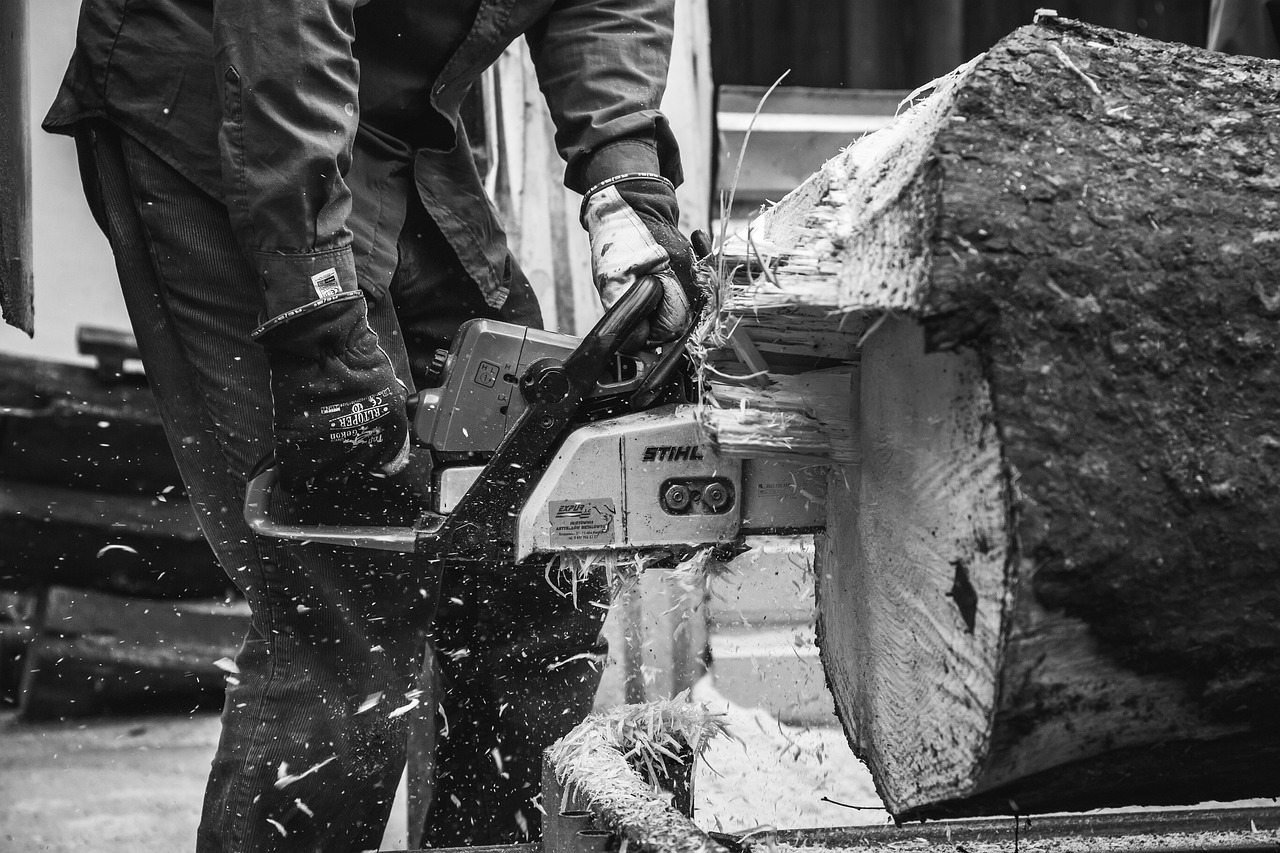
Imagine giving a lumberjack from 1850 a modern chainsaw. He could fell ten trees in the time it took to chop one. But if he doesn't respect the tool — if he ignores the kickback, the fuel mix, the sharpening — he'll lose a limb. The chainsaw doesn't replace the lumberjack; it amplifies him. And it demands more skill, not less.
AI is that chainsaw. It's not an axe you can hand to anyone. It's not a replacement for human judgment. It's a force multiplier that requires training, guardrails, and someone who knows what they're doing holding the throttle.
The Amplification Fallacy
Most AI marketing sells replacement. "Automate this job." "Eliminate that role." That's selling axes to people who need chainsaws — and then walking away before they start the engine.
Real amplification looks different:
- A customer‑service rep using AI to draft responses to common questions, freeing them to handle complex cases.
- A radiologist using AI to flag routine scans, focusing their expertise on ambiguous cases.
- A procurement officer using AI to match invoices to POs, spending their time on vendor negotiations.
In each case, the human isn't replaced. They're up‑skilled. They move from manual labor to judgment work. That's the promise of AI — not job elimination, but job elevation.
Guardrails Are Not Optional
You wouldn't run a chainsaw without safety goggles, ear protection, and proper training. Yet companies routinely deploy AI tools with zero guardrails, then act surprised when they get "hallucinations," biased outputs, or security breaches.
Essential AI guardrails:
- Human‑in‑the‑loop review — Critical outputs are verified by a person before acting.
- Output validation — Checking results against known good patterns.
- Usage boundaries — Clear rules about what the AI can and cannot do.
- Continuous monitoring — Watching for drift, degradation, or misuse.
These aren't "nice‑to‑haves." They're the safety equipment for your chainsaw.
Skill Transfer, Not Tool Handoff
Handing someone a chainsaw without teaching them how to use it is negligence. The same is true for AI.
Effective AI deployment includes:
- Training on how the tool works, not just what it does.
- Practice with supervised, low‑stakes tasks first.
- Clear escalation paths for when the tool behaves unexpectedly.
- Ongoing coaching as the tool evolves.
This takes time. It takes patience. It takes admitting that the tool is complex and requires respect. Skip this step, and you're just waiting for an accident.
“A chainsaw in the hands of a skilled lumberjack is a marvel of efficiency. In the hands of a novice, it's a trip to the emergency room. AI is no different.”
When the Chainsaw Bites Back
Even with training and guardrails, things go wrong. A chainsaw kicks back. AI hallucinates. The response matters.
Companies that treat AI as a black‑box miracle panic when it fails. Companies that treat it as a tool — powerful but fallible — have protocols:
- Immediate human review of the error.
- Root‑cause analysis (was it bad data, a flawed prompt, an edge case?).
- Tool refinement (retraining, adjusting parameters, adding safeguards).
- Transparent communication about what happened and how it's being fixed.
Failure isn't a reason to abandon the tool. It's a reason to improve your skill with it.
Getting Started: Your First Chainsaw
If you're new to AI, start small:
- Pick one repetitive, low‑risk task — something that won't cause catastrophe if it goes wrong.
- Choose a tool you can understand — not the most powerful AI, but the one you can explain.
- Train the team thoroughly — invest in skill transfer, not just software installation.
- Build guardrails first — establish review processes before you let the tool run unsupervised.
- Measure amplification, not replacement — track time saved, errors reduced, quality improved.
This isn't a weekend project. It's a deliberate, staged approach that respects both the power of the tool and the necessity of human oversight.
The Future Is Amplified, Not Automated
The goal isn't a world without lumberjacks. It's a world where lumberjacks can fell more trees with less fatigue, fewer injuries, and greater precision. The chainsaw didn't make lumberjacks obsolete; it made them more effective.
AI should do the same for knowledge work. It should handle the repetitive, the tedious, the error‑prone — freeing humans for the creative, the strategic, the nuanced.
That future requires treating AI like a chainsaw: a powerful tool that demands respect, skill, and someone competent holding it.